Understanding the Mascot Role in Family Dynamics of Addiction and Its Effects on Adult Relationships

Addiction in a family creates a complex web of roles that each member often unconsciously adopts to cope with the chaos. One of these roles is the mascot—the family member who uses humor, playfulness, or distraction to ease tension and deflect attention from the pain caused by addiction. This role can seem lighthearted on the surface, but it carries deep emotional consequences that ripple into adult relationships. Understanding the mascot role helps reveal how addiction shapes family dynamics and offers a path toward healthier connections in adulthood.
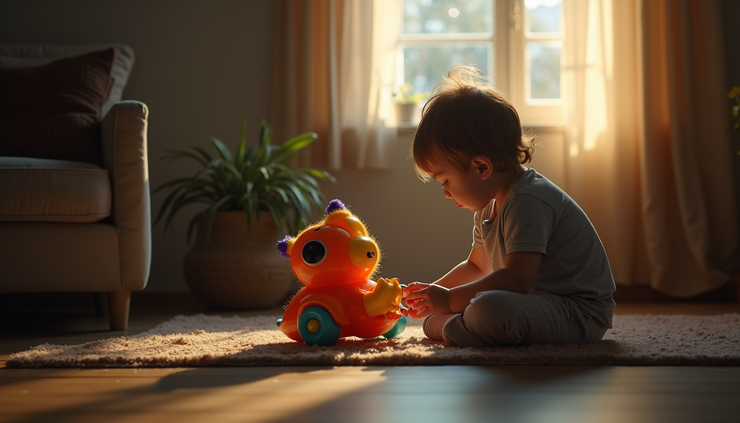
What Is the Mascot Role in Families Affected by Addiction?
In families struggling with addiction, members often take on specific roles to manage stress and maintain some sense of balance. The mascot is usually the youngest child or the one who naturally gravitates toward humor and play. Their role is to lighten the mood, distract from conflict, and provide relief through laughter or silliness.
This role serves several purposes:
Deflecting tension: The mascot uses jokes or antics to break up arguments or silence heavy emotions.
Protecting others: By making others laugh, they try to shield family members from the harsh realities of addiction.
Gaining attention: Amid chaos, the mascot often seeks positive attention to feel valued and safe.
While this role can bring temporary relief, it often masks deeper feelings of fear, sadness, or helplessness. The mascot may suppress their own needs to keep the family functioning, which can lead to emotional challenges later in life.
How the Mascot Role Impacts Adult Relationships
The coping strategies developed as a mascot do not simply disappear with adulthood. Instead, they influence how individuals relate to others, especially in intimate or close relationships.
Difficulty Expressing True Emotions
Mascots often learned to hide their pain behind humor. As adults, they may struggle to express vulnerability or sadness openly. This can create distance in relationships because partners or friends may feel they never see the mascot’s authentic self.
Fear of Conflict and Avoidance
Since the mascot’s role was to ease tension, they might avoid conflict at all costs. This avoidance can prevent healthy communication and problem-solving in adult relationships, leading to unresolved issues and frustration.
Seeking Approval Through Humor or Charm
Mascots may rely on being funny or charming to gain approval and avoid rejection. While this can be endearing, it might also mask insecurities and prevent deeper emotional connections.
Challenges with Boundaries
Growing up in chaotic environments often means unclear boundaries. Mascots might struggle to set limits or say no, fearing they will disrupt harmony or lose affection.
Moving Forward: Healing from the Mascot Role
Recognizing the mascot role is the first step toward healing and building healthier relationships. Here are practical ways to move forward:
1. Acknowledge Your Role and Its Impact
Reflect on how being the family mascot shaped your behavior and feelings. Journaling or talking with a therapist can help uncover patterns and emotions you may have buried.
2. Practice Expressing Authentic Emotions
Start small by sharing your true feelings with trusted friends or partners. It might feel uncomfortable at first, but expressing vulnerability builds trust and deepens connections.
3. Learn Healthy Conflict Skills
Understand that conflict is a natural part of relationships. Practice calm communication techniques, such as using “I” statements and active listening, to address issues without fear.
4. Set Clear Boundaries
Identify your limits and communicate them clearly. Boundaries protect your well-being and help maintain balanced relationships.
5. Develop Self-Compassion
Recognize that your mascot role was a survival strategy. Treat yourself kindly as you unlearn old habits and build new ways of relating.
6. Seek Support
Joining support groups for adult children of addiction or working with a counselor can provide guidance and community. Sharing experiences with others who understand can be powerful.
Real-Life Example
Consider Sarah, who grew up as the mascot in a family with an alcoholic parent. She was always the “funny one,” making jokes to distract from fights at home. As an adult, Sarah found it hard to open up emotionally with her partner. She avoided serious conversations and used humor to deflect when things got tense. After recognizing her mascot role in therapy, Sarah began practicing honest communication and setting boundaries. Over time, her relationships became more authentic and fulfilling.



Comments